
If your home was built or remodelled between the 1960s and 1990s, there’s a good chance you’re living under a heavy blanket of textured bumps. While popcorn ceilings were once the ultimate shortcut for hiding construction imperfections, today they serve as a time capsule of outdated decor. Upgrading to smooth, modern ceiling surfaces isn’t just about aesthetics; it’s one of the easiest ways to instantly brighten, clean up, and modernize your entire living space. Read below to find more reasons to say goodbye to stucco ceilings and hello to modern surfaces.
Reasons to Switch to Smooth Ceilings
A Boost to Modern Style
The top reason homeowners scrape away the texture is for sheer style. Popcorn ceilings scream outdated, but smooth surfaces give you a clean, minimalist canvas that suits any interior design. No matter if your style is modern farmhouse, industrial, or mid-century sleek, a smooth ceiling lifts the entire room and makes your decor pop.
Better, Brighter Lighting
That heavy texture not only makes things look old but also changes the light in your home. The thousands of tiny bumps cast micro-shadows across the entire ceiling, making rooms feel darker and more closed in. A smooth ceiling evenly reflects natural light, bouncing sunshine and lamplight all over to make the space feel bigger and brighter.

Simpler Cleaning and Maintenance
If you’ve ever attempted to clean a popcorn ceiling of cobwebs or dust bunnies, you know it’s nearly impossible. It absorbs dust, cooking grease and allergens, and wiping it often leads to a cascade of white flakes onto your floor. You can easily wipe smooth ceilings with a microfibre cloth to keep your indoor air cleaner.
Safe Living
Some older popcorn ceilings, especially those applied before the late 1970s, may contain asbestos as a fire retardant. When left alone, asbestos is usually safe, but any scraping, cracking, or water damage can release dangerous fibres into the air. This texture can be a health hazard, and professional removal can provide peace of mind.
Simple Repairs and Painting
If you have water damage or cracking on a textured ceiling, it’s a complete nightmare to patch smoothly. You can’t always match the original spray texture, so you end up with an obvious, ugly patch. Smooth ceilings are very easy to patch, sand and paint, so future repairs will be almost invisible.
Higher Home Resale Value
Buyers today want move-in-ready homes, and seeing popcorn ceilings often translates into a huge to-do list in their minds. It might even decrease your home’s value or cause buyers to bid lower. Smooth ceilings can help improve resale appeal and may increase perceived home value, making your property stand out in a competitive real estate market.
Ready to Make the Change? Contact ByeByePopcorn
Removing textured ceilings is more than just a home renovation; it’s about reclaiming your space. Smooth ceilings make your rooms look larger, maximize your lighting and eliminate a major dust trap that hurts your indoor air quality. The removal process does take some patience and precision, but the long-term payoff in home value and daily enjoyment is worth the effort.
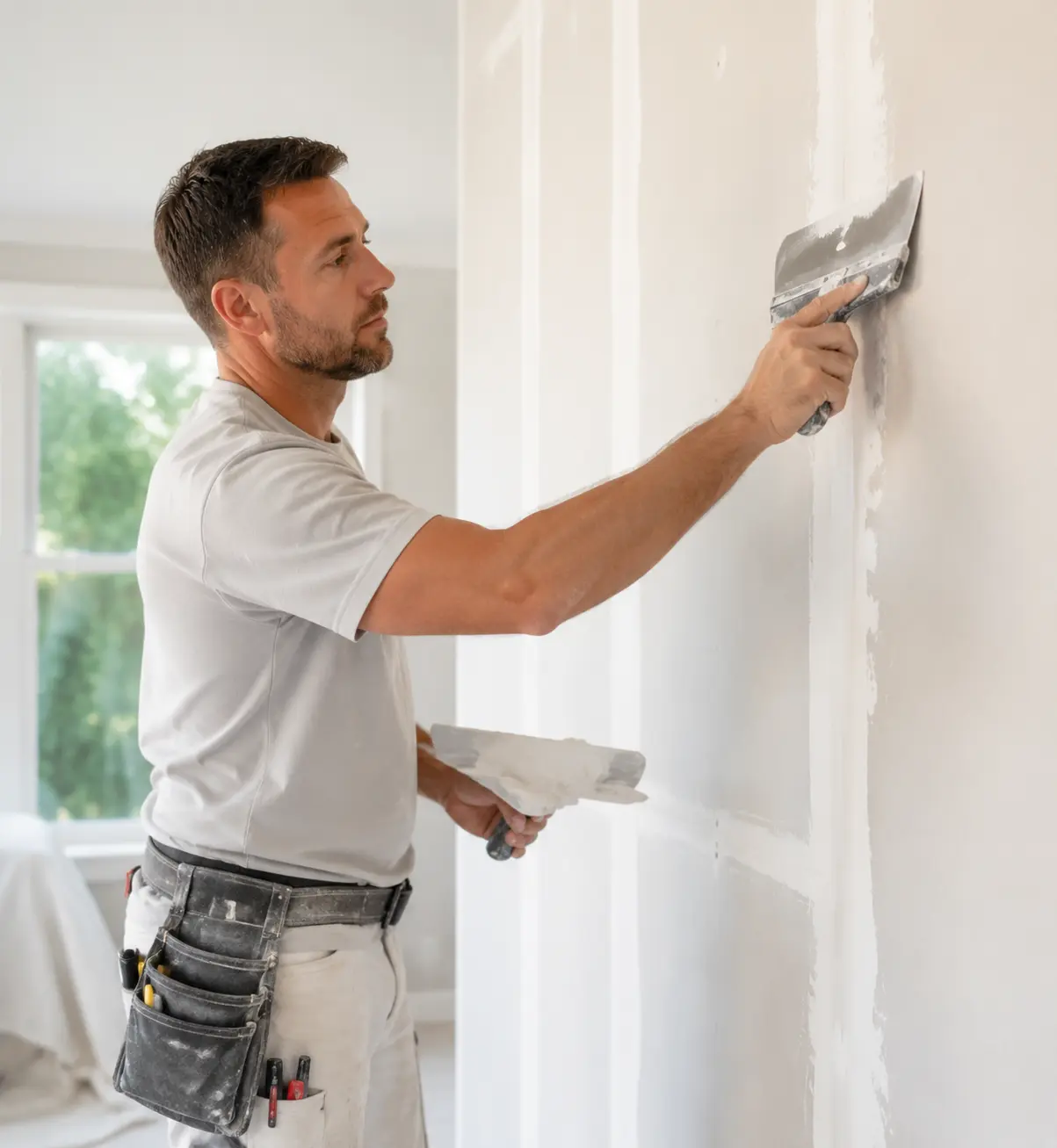
The ByeByePopcorn team specializes in safe, fast, and professional ceiling transformations. We do it all, from testing and containment to scraping, skimming, and painting, leaving you with beautiful, smooth ceilings without the headache. Contact ByeByePopcorn today for a free consultation and take the first step towards a brighter, more modern home.
FAQs
How do I know if my ceiling is asbestos?
The only way to know for sure is to have a small sample tested in a laboratory. If your home was built before 1980, there is a possibility the texture contains asbestos, and you should never scrape it yourself without a professional test.
Can you paint over popcorn ceilings instead of taking them down?
You can paint over them, but it makes it much more difficult to remove them later. Paint seals the texture, making it harder for water to soften the material during removal. This means double the labour and effort to scrape it off later.
Can you just drywall over a popcorn ceiling instead of scraping it off?
Yes, covering the texture with thin plasterboard panels is an option. Sometimes this is desirable if your ceiling has been painted a few times or contains asbestos, etc.; however, it does reduce your overall ceiling height slightly.