
Popcorn ceilings have been a staple in home construction for decades, offering builders a fast way to hide drywall imperfections and dampen sound. Today, the look is often considered dated, which is why so many homeowners start asking the same question: should you just paint over a popcorn ceiling instead of removing it? Painting is the more appealing option on paper, but it’s not as simple as grabbing a roller and going. Skipping the prep work or the details can lead to a patchy result or a bigger headache down the line. This guide breaks down what to check first, how to paint it correctly, and when painting isn’t the right call.

Popcorn texture is usually small polystyrene or styrofoam bits mixed into a binding agent and sprayed onto the ceiling. Builders used it because it was fast and covered up minor flaws in drywall work at a low cost. Whether painting over it now makes sense depends on a few things: the ceiling’s age, its current condition, and what you’re hoping the finished room will look like.
Why Consider Painting Over a Popcorn Ceiling?
Painting is the most budget-friendly update available. It uses fewer materials and far less labour than a full removal process, and most rooms can be painted over a weekend rather than the multi-day timeline that removal usually takes. A fresh coat also does a good job covering stains and discoloration, and it’s significantly less messy than removing the texture altogether, since it skips the extensive dust and debris that comes with pulling popcorn texture off a ceiling.
Critical Considerations Before You Start
Age and the Asbestos Concern
Popcorn texture applied before the early 1980s has a real chance of containing asbestos fibres. Ceiling applications were banned in the US in 1978, but existing supplies stayed in use for a few years after that. Asbestos becomes dangerous when its fibres are disturbed and inhaled, which is a real risk during sanding, drilling, or aggressive cleaning. If your home dates to this era, assume asbestos is present until a certified professional tests it and proves otherwise. If asbestos is confirmed and the ceiling is stable, painting can actually be the safer choice, since the paint helps seal the fibres in place.
Has the Ceiling Been Painted Before?
An unpainted popcorn ceiling is highly porous and soaks up a lot of paint. Standard latex paint carries enough moisture to soften the binder underneath, which can cause the texture to loosen or fall away mid-application. That’s why an oil-based primer is often the safer starting point on unpainted texture, even though it carries a stronger odour. A previously painted ceiling is already somewhat sealed, so it absorbs less and is more forgiving to work with.
Ceiling Condition
Check closely for cracks, crumbling texture, or water stains before doing anything else. Water stains point to a leak that needs to be fixed first. Small cracks can often be handled with a flexible, paintable caulk made for textured surfaces, though blending the repair in seamlessly takes a careful hand. If the texture feels loose or the damage is extensive, painting becomes risky, and removal or a cover-up is the more practical route.
Desired Aesthetic Outcome
Keep expectations realistic. Painting changes the colour, not the texture. If the goal is a fully smooth, modern ceiling, painting alone won’t get you there.
How to Paint a Popcorn Ceiling the Right Way
Use a flat or matte, water-based latex ceiling paint. It hides imperfections without the shine that highlights every bump. Apply it with a roller carrying a thick nap, somewhere in the ¾ inch to 1¼ inch range, so it can reach into the texture without stripping it. Work in small sections with light pressure and avoid going back over the same spot twice. Over-rolling is one of the most common ways texture ends up peeling off mid-project. Plan on at least two coats, letting the first dry for 2 to 4 hours before adding the second, and give the final coat a full 24 hours before judging the coverage. Wear a mask and goggles while you work, since textured ceilings shed more dust and paint mist than a flat one.
Mistakes That Ruin a Freshly Painted Popcorn Ceiling
A few missteps account for most botched popcorn ceiling paint jobs. Using a glossy or semi-gloss finish is one, since it draws attention to every bump instead of hiding it. Pressing too hard with the roller or rolling the same section repeatedly is another, and it’s the fastest way to pull texture off a ceiling that was otherwise in good shape. Painting over a ceiling with visibly peeling or loose texture almost always ends in patchiness, and skipping drop cloths turns a manageable job into a bigger cleanup than it needed to be.
Alternatives to Painting a Popcorn Ceiling
If painting doesn’t fit your goals, condition, or asbestos situation, two main alternatives exist. Professional texture removal gets you a smooth, modern finish and permanently eliminates the texture, which can help with resale value, though it’s a messier, more involved project than painting. Covering the popcorn ceiling with new drywall or ceiling panels installed directly over the existing texture is the other option. It avoids the mess of removal entirely and encapsulates the old texture safely, though it costs more than painting and lowers ceiling height slightly.
Skip the Guesswork, Let ByeByePopcorn Handle Your Ceiling Project
Whether you paint over a popcorn ceiling or decide it’s time for it to go, the right call comes down to your ceiling’s condition, your budget, and how much disruption you’re willing to live with. Painting buys you time and a quick refresh. Removal or covering solves the problem permanently. Either way, testing for asbestos and getting an honest read on the ceiling’s condition should come before any tools come out.
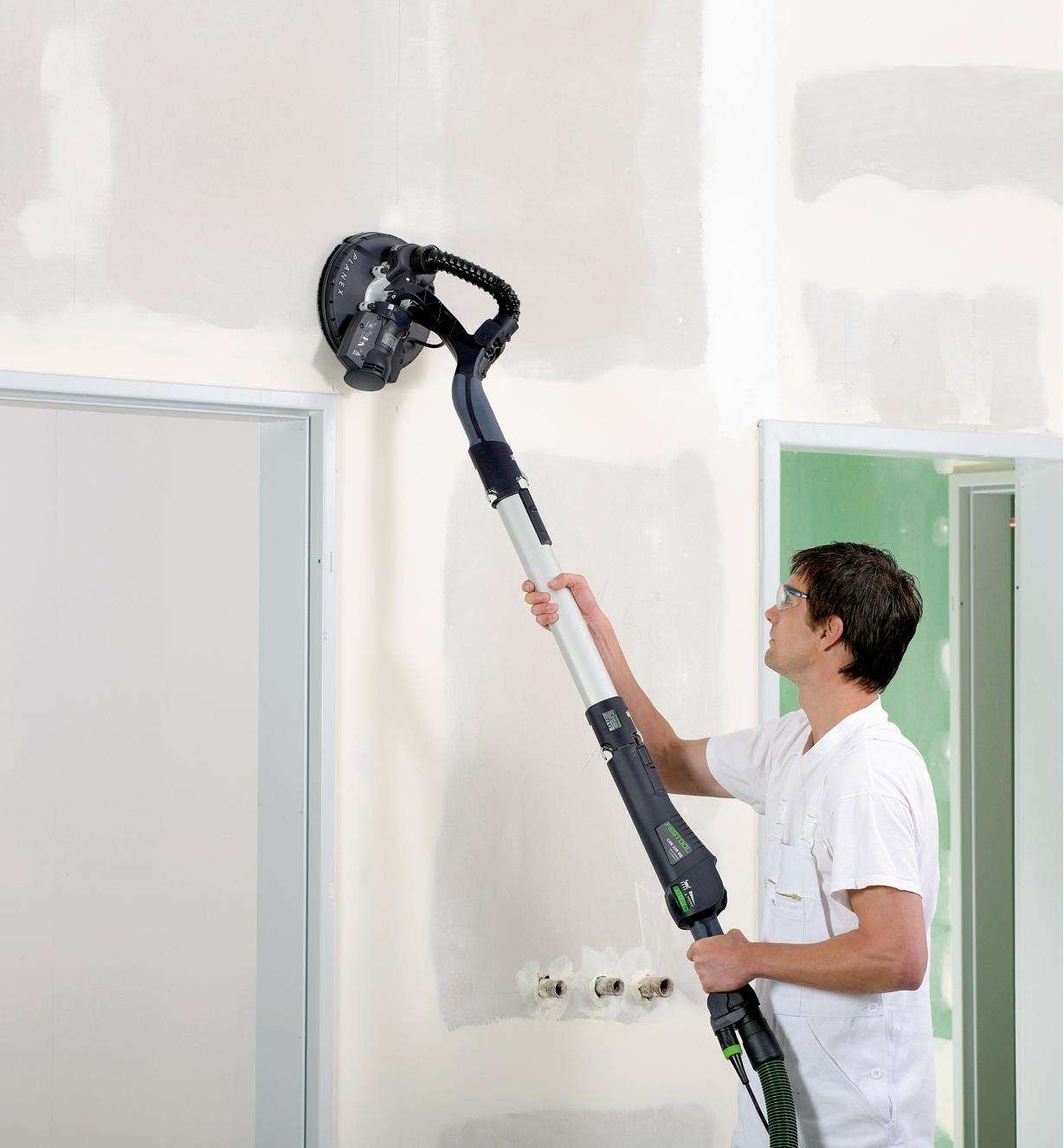
If your ceiling turns out to be a better candidate for removal than paint, ByeByePopcorn handles that work using the Festool system, a dust-controlled process that’s faster and cleaner than older removal methods. We also offer professional painting services if a repaint is the smarter move for your space. Reach out and we’ll help you figure out which option actually fits your ceiling.
FAQs: Painting a Popcorn Ceiling
How can I tell if my popcorn ceiling contains asbestos?
The only reliable way is lab testing through a certified asbestos inspection professional, who collects samples safely and sends them for analysis.
What’s the best paint and roller for a popcorn ceiling?
A flat, water-based latex ceiling paint hides texture best. Pair it with a roller carrying a ¾ inch to 1¼ inch nap so it reaches into the grooves without pulling texture loose.
How many coats does a popcorn ceiling need?
Plan on at least two. Let the first coat dry for 2 to 4 hours before adding the second, and wait a full 24 hours before judging the final coverage.
Is it better to roll or spray paint onto a popcorn ceiling?
Spraying gives a more even coat with less risk of disturbing the texture, but it needs extensive masking. Rolling is more accessible for a DIY project as long as you use a gentle, light-pressure technique.
Is painting over a popcorn ceiling with asbestos safe?
It can be, if the asbestos is undisturbed and confirmed by testing first. Paint helps seal the fibres in place, but any future repair or removal work should go to a licensed professional.